What is TACO & Why This Discussion Matters
TACO (The Alliance for Creative Outreach) is a network dedicated to helping Christian content creators thrive in digital spaces. Whether it’s through streaming, videos, or community-building, our goal is to equip and support creators who want to make a meaningful impact.
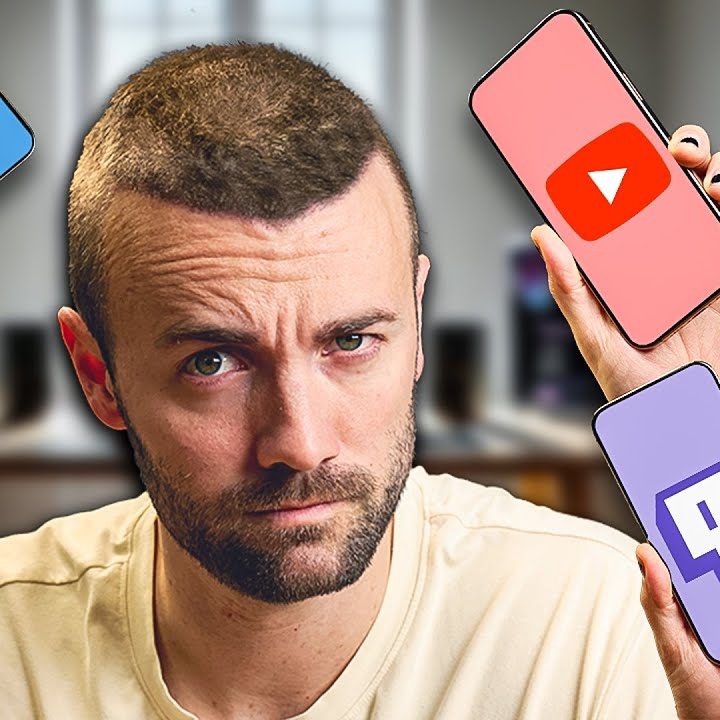
Part of that mission is staying on top of industry trends so we can help creators adapt without burning out or losing their purpose. When Harris Heller dropped his latest video about how Twitch is changing in 2025, I felt it was worth breaking down.
Harris is one of the biggest voices in streaming strategy. He’s helped countless creators optimize their content. In his latest video, he lays out a new plan for how streamers should approach Twitch, YouTube, and content creation as a whole. Some of it makes a lot of sense—but not everything applies to Christian content creators or smaller streamers.
The Big Shifts in Streaming for 2025
Harris argues that streamers need to rethink how they approach content in 2025 and introduces four major changes he’s making:
Multi-Streaming as the Future
Harris believes that streamers should broadcast on multiple platforms at once—mainly Twitch and YouTube—rather than sticking to just one. His reasoning is that Twitch is better for live monetization, while YouTube is better for long-term discoverability.
I’ve talked about multi-streaming before, and while I see the benefits, it’s not a perfect strategy for everyone. Not all audiences migrate between platforms, and maintaining engagement across multiple chats isn’t as easy as it sounds.
Twitch vs. YouTube Revenue
One of Harris’ biggest arguments is that Twitch subscriptions bring in more revenue during live streams, but YouTube’s VOD monetization outpaces Twitch long-term. He uses MoistCr1TiKaL as an example—his Twitch streams make way more money live, but over time, his YouTube VODs earn far more.
This is an important conversation because monetization strategies should match your content style. If your content is best experienced live, Twitch’s model makes sense. If you create content that people will search for later, YouTube is the stronger option. And regardless of whether you can monotize or not, the point still stands when talking about discovery.
The Rise of Short-Form Content
Harris emphasizes that posting short-form content daily is the best way to grow. He compares it to a slot machine—every post is another pull of the lever, increasing your chances of hitting a viral moment.
I don’t disagree that short-form content is powerful, but chasing virality isn’t the same as building a real audience. The key isn’t just to post as much as possible but to create content that actually leads people into your community.
Fixing Community Engagement
One of Harris’ biggest takeaways is that his Discord wasn’t fostering a real community. He noticed that people were joining just to ask for tech support and then leaving. This led him to restructure his entire server to make it more about real conversations and shared interests.
This is something we’ve been working through at TACO as well. How do you create a space where people feel like they belong, rather than just coming and going? It’s an important reminder that community is more than just a feature—it’s the core of what we do.
Should You Start Over?
Harris is launching a brand-new YouTube channel to break out of the streaming niche and reach a wider audience. He sees this as a way to create content with a higher potential for growth.
Starting over is a huge decision for any creator. While I understand why Harris is doing it, I don’t think abandoning a niche is always the answer. Sometimes, the best way to grow is to lean into what makes you unique, not start from scratch.
Join the Conversation
This is the kind of discussion we have every TACO Tuesday, where we break down streaming trends, digital ministry, and content strategies for Christian creators.
If you’re interested in growing as a faith-based creator, come hang out!
- Join the TACO Community → https://taconetwork.org
- Watch the Full Reaction Video → https://youtu.be/qS2B6vJaKvk
- Catch My Twitch Streams (Mon-Thu, 12-4 PM ET) → https://www.twitch.tv/xtianninja
The 2025 streaming landscape is changing fast. What do you think—are these shifts worth adapting to, or is there a better way forward? Let’s talk about it.